
When it comes to modern hair color, highlights and balayage are the two techniques that define today’s most requested looks. Both can sharpen features, add dimension, and completely shift the tone of a cut—but in very different ways. The right placement of lightness doesn’t just lift the hair; it changes the entire attitude of a style.
And while both approaches add depth and movement, the method and final aesthetic they deliver are distinct. Understanding how each technique works makes it easier to choose the one that aligns with your style, maintenance level, and the overall mood you want your hair to project.
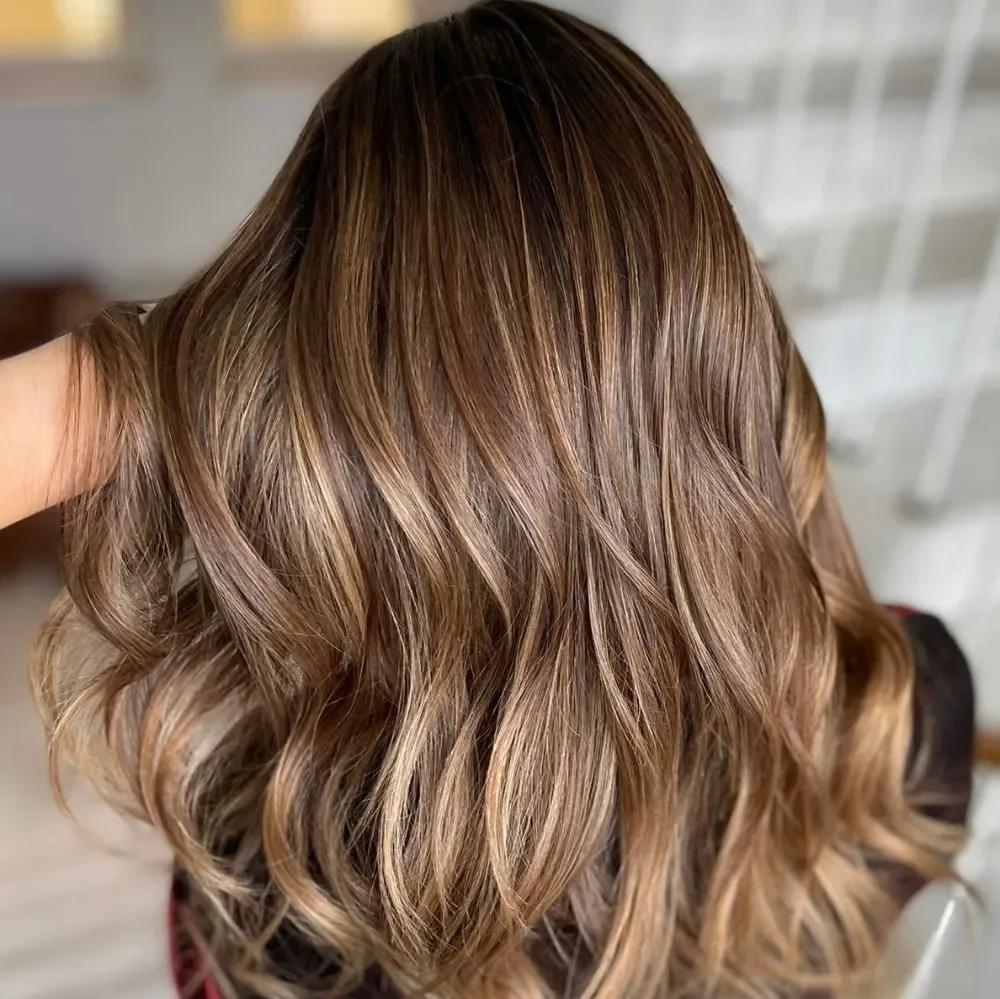
Highlights are most associated with clean, consistent lightness.
Highlights: Classic, Controlled, and Defined
Highlights are the traditional, foil-based technique most associated with clean, consistent lightness. The colorist applies lightener to fine sections of hair and encloses them in foils, allowing the lift to process evenly and with precision. The result is structured and intentional —lightness that begins near the root and extends through the ends.
This method is incredibly versatile: highlights can be soft and subtle or crisp and high impact, depending on placement. Think Jennifer Aniston, Reese Witherspoon, or Sarah Jessica Parker — all known for signature color that shapes the face, enhances movement, and keeps their hair looking polished from every angle.
Because highlights start at or near the scalp, regrowth becomes visible more quickly, making maintenance appointments every six to eight weeks standard.
Highlights are ideal for those who want:
A defined, consistent pattern of lightness
Lift that begins at the root
A clean, polished, classic color aesthetic
Strong face-framing effects
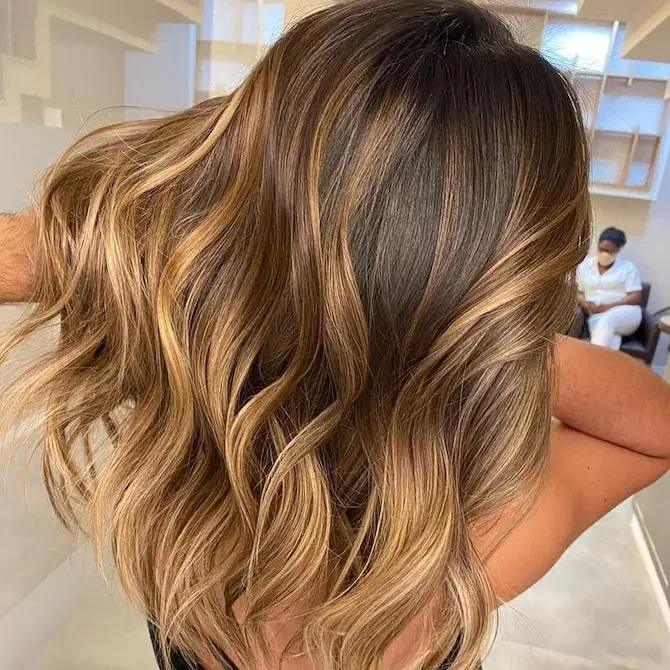
Balayage — French for “to sweep” — is a freehand painting technique.
Balayage: Soft, Seamless and Low Maintenance
Balayage — French for “to sweep” — is a freehand painting technique that creates a completely different effect. Instead of isolating strands in foils, the stylist applies lightener directly onto the hair’s surface, focusing on mid-lengths and ends. This approach delivers a gradual, diffused transition from deeper roots to lighter ends.
The look is effortlessly modern. It’s dimensional without appearing overdone, and it grows out beautifully because the root is intentionally left deeper. Celebrities like Hailey Bieber, Lily Aldridge, and Jessica Biel regularly wear variations of balayage that feel natural, tonal, and refined.
With its softer grow-out, balayage allows for longer stretches between appointments — typically three to six months.
Balayage is ideal for those who want:
A natural, blended shift in tone
A softer grow-out with minimal upkeep
A modern, relaxed finish
Dimension without a highly structured pattern
Blending Techniques: The New Modern Standard
More and more, colorists are moving beyond an either/or approach and using highlights and balayage together to build a custom finish. Foils offer the precise lift needed for brighter sections — especially around the face — while balayage adds softness through the mids and ends. The combination creates controlled brightness without losing that seamless transition that clients increasingly request. The result is dimensional color that looks intentional, refined, and tailored to the individual.
Why Hybrid Color Works So Well
A hybrid application also allows the stylist to tailor the color to the haircut, skin tone, and the client’s lifestyle. Want a luminous face frame but a diffused, low-maintenance grow-out? Strategic foils paired with painted ends deliver exactly that. Prefer maximum dimension without visible striping or harsh lines? Balayage softens everything the foils achieve. This blended approach gives the colorist exceptional flexibility, ensuring the final result feels cohesive and elevated.
For clients, it’s the best of both worlds: brightness where it counts, softness where it matters, and a finish that stays intentional long after leaving the salon.